5 Important Steps in Small Home Renovation
Renovating a residential home can improve both comfort and property value. With proper planning and smart design, even older homes can be transformed into modern and functional living spaces. Below are the most important steps in a successful small home renovation project.
1. Planning and Initial Design
The first step in any renovation project is setting a clear goal and budget, and having a clear future plan for your residential project that will help to set your budget. Decide which areas need improvement, such as the kitchen, bathroom, flooring, or walls. Creating a proper design plan before starting helps reduce unexpected costs and keeps the project organized and efficient. If you are planning to sell your house in the future, you could check out other neighbors’ listed properties online to do not spend over in renovation and avoid extra ordinary project that won’t led you in higher price
2. Demolition and Preparation
Once the design is finalized, the old or damaged sections of the house are removed. This may include tearing out old cabinets, flooring, drywall, or outdated fixtures. Proper preparation is essential because it creates a strong foundation for the rest of the renovation process.
3. Utilities and Wall Construction
This stage is one of the most important parts of the renovation because it focuses on the home’s infrastructure. Poor utility work can lead to expensive repairs in the future.
- Electrical System Upgrades
Older homes often have outdated or unsafe wiring. During this phase, electrical wiring, outlets, breaker panels, and lighting systems are inspected and, if necessary, upgraded to improve safety and efficiency.
- Plumbing Installation and Repairs
Old plumbing systems may have leaks or corrosion. Replacing or upgrading water and drainage pipes helps prevent future damage and improves overall functionality, especially in kitchens and bathrooms.
- Heating and Ventilation Preparation
If the home requires a new heating, cooling, or ventilation system, this is the best time to install it. Proper HVAC installation can improve comfort while reducing energy costs.
- Wall Framing and Drywall Work
After utility systems are completed, wall construction and repairs begin. This includes framing, drywall installation, crack patching, plasterwork, and surface smoothing. In some cases, removing unnecessary walls can create a more open and modern layout.
- Final Surface Preparation
At the end of this phase, the walls and infrastructure are fully prepared for flooring, painting, and final finishing work. High-quality work during this stage has a major impact on the final renovation result.
4. Flooring and Painting
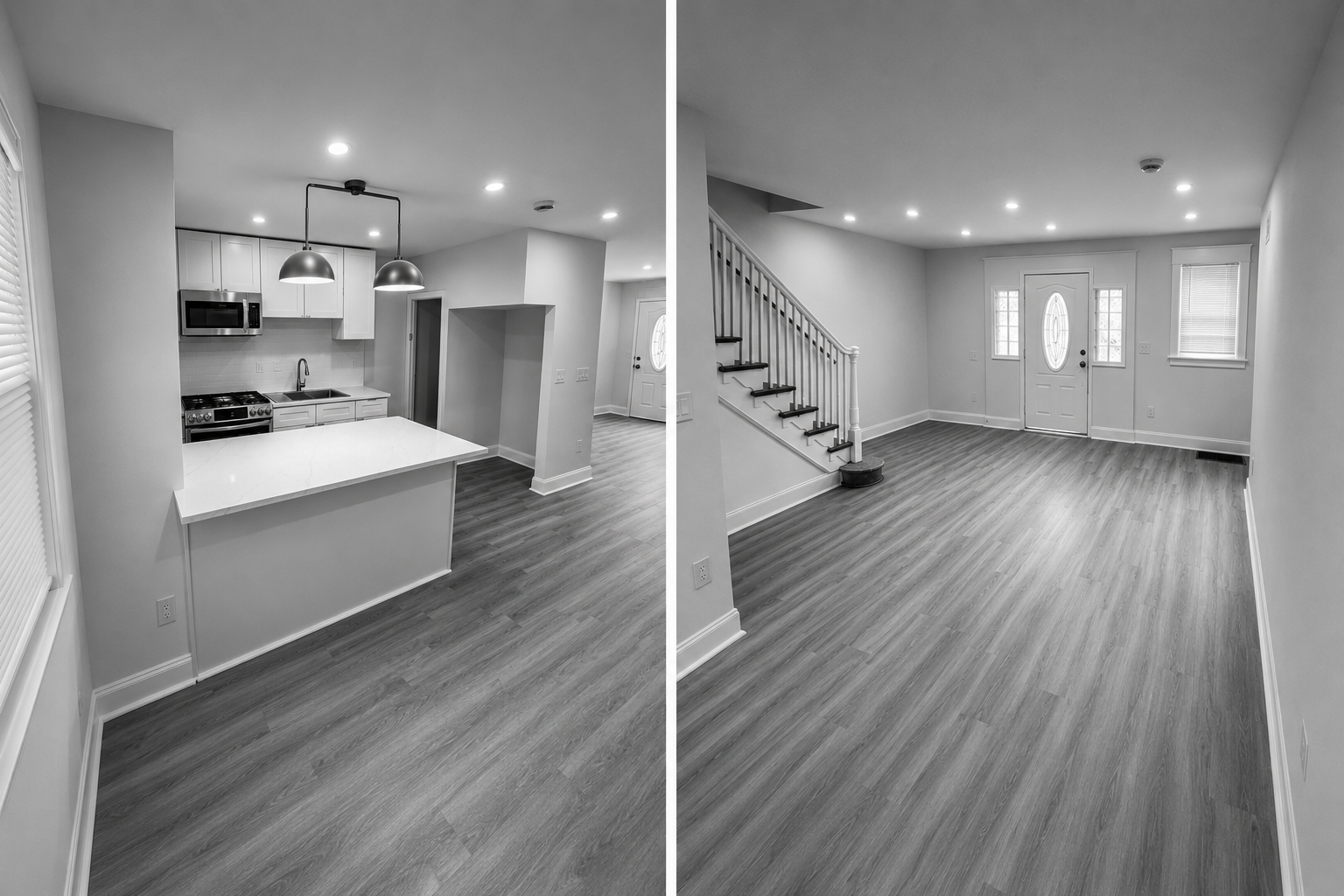
After completing the infrastructure work, flooring materials such as tile, vinyl, laminate, or hardwood are installed. The walls are then painted to give the home a fresh and modern appearance. Light paint colors are often recommended for smaller homes because they make spaces feel larger and brighter.
5. Final Installations and Finishing Touches
In the final stage, cabinets, lighting fixtures, faucets, doors, and appliances are installed. After a full cleaning and final inspection, the renovation project is ready for completion and handover.
Conclusion
A well-planned small home renovation can completely transform a living space. Using high-quality materials, smart layouts, and professional workmanship not only enhances comfort and appearance but also increases the property’s overall value.